Eyeing more space, a larger lot, and room to live the way you want? West Meade Park gives you that rare Nashville mix of mature trees, privacy, and access to green space without leaving the city. If you are planning an upsize move, you need clear numbers, a smart sequence, and confidence about what lots and homes here can deliver. This guide covers lot sizes, floorplans and storage, outdoor living possibilities, budgeting, and how to buy while selling your current home. Let’s dive in.
Why West Meade Park works for upsizing
West Meade Park sits in west Nashville, known for its tree canopy, spacious parcels, and a quiet residential feel near major amenities. You are minutes from the Warner Parks and Cheekwood, with central areas like Green Hills and downtown typically 10 to 20 minutes by car depending on traffic. The West Meade Neighborhood Association is active on stewardship and tree preservation, which helps protect the character that draws many buyers here. You can explore neighborhood initiatives through the West Meade Neighborhood Association.
From a market perspective, industry sources show a high-end segment with recent price appreciation. Recent neighborhood medians have ranged from roughly $1.19M for active listings to about $1.55M for recent sales, depending on methodology and timing. Treat that as a starting range, then verify with live MLS data and your lender to model affordability for your situation. If you are moving up from a smaller home, plan ahead for both purchase power and sequencing.
Lot sizes, zoning, and what that means for you
You will see a wide mix of parcels, from under 0.35 acre to more than 1 acre, with occasional larger properties. That variety is a core reason buyers choose West Meade Park, but it also means you should confirm specifics before assuming your plan will fit. Larger-lot zoning in parts of the area can shape what you can build, where a home can sit, and whether subdivision is realistic. Review parcel-level zoning and standards with Metro Planning using public records such as Metro Nashville Planning Commission documents.
Can you split lots or add structures?
Possibilities depend on the parcel. Minimum-lot-area standards, recorded setbacks, and easements often limit subdivision or the placement of accessory buildings. The neighborhood has also supported environmental and tree-canopy protections, so confirm any overlay or preservation rules with the West Meade Neighborhood Association and Metro Planning before committing to major site changes.
Floorplans and storage to expect
Housing here spans original mid-century ranches, updated one-level homes, and new custom builds that can exceed 5,000 to 7,000 square feet. Many renovated ranches feature main-level suites with larger baths and walk-in closets, while newer builds often add multiple ensuite bedrooms. Expect open kitchen and family spaces, oversized islands, and upgraded appliance packages to be common in move-up options.
Storage varies by era. Older ranches may have smaller garages with attic or crawlspace storage, while new builds tend to include larger attached garages, dedicated storage rooms, and sometimes conditioned lower levels. If a finished basement is important to you, verify foundation type and drainage at the property level rather than assuming it is available everywhere.
Outdoor living potential on larger lots
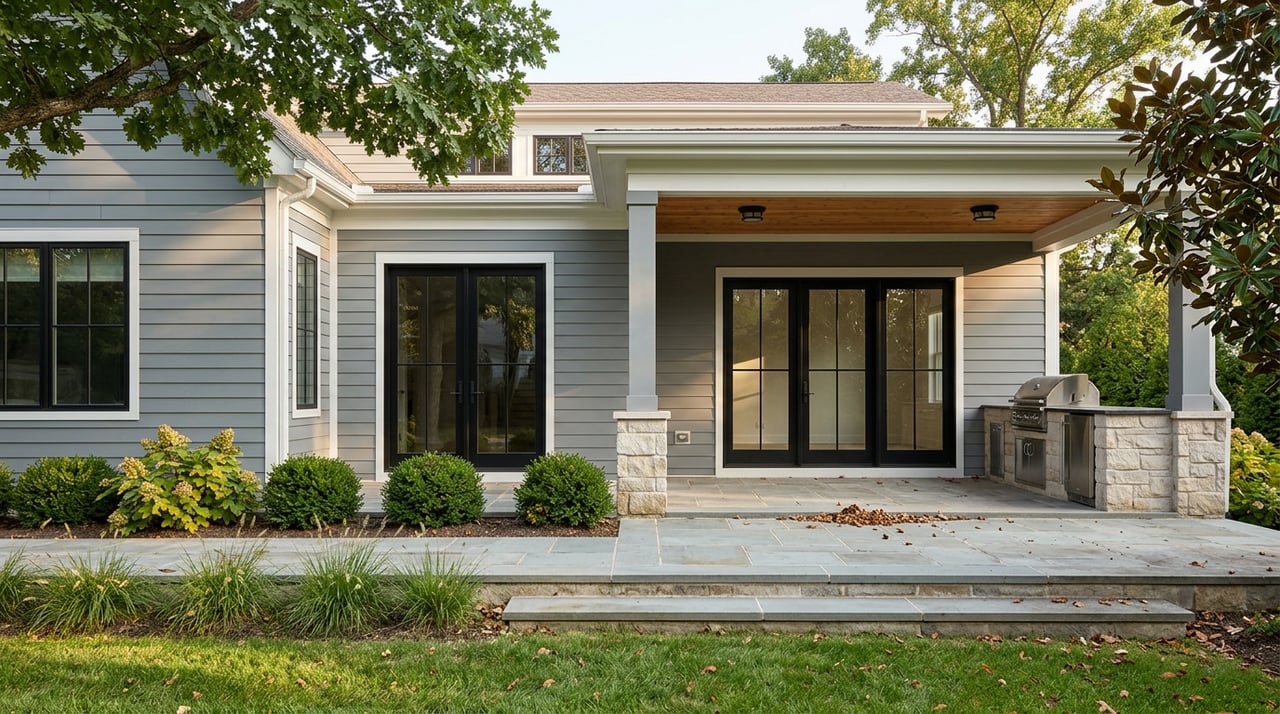
Generous lots in West Meade Park create space for pools, screened porches, and backyard entertaining. Many larger properties showcase complete outdoor packages like saltwater pools, pool houses, and expansive lawns. For example, local MLS records show West Meade properties with in-ground pools, waterfall features, and screened outdoor rooms that support year-round use. You can see representative features in a past listing at 6601 Ellesmere Rd.
Before you plan a pool or accessory building, confirm the practical limits. Tree-preservation priorities and potential neighborhood overlays can affect removals and require mitigation. Zoning setbacks, utility easements, and drainage or flood easements will also shape where you can build, so review recorded standards with Metro Planning using planning documents and check neighborhood updates at westmeade.org.
Outdoor design checklist
- Screened porch or covered deck for year-round use
- Gas line and electrical capacity for an outdoor kitchen
- Equipment pad access for pool systems
- Slope and access for heavy equipment during build-out
- Neighbor impact and permit sequencing before you start
What it costs to upsize here
West Meade Park is a higher-price segment, so budget with a conservative lens. Recent neighborhood medians around $1.19M to $1.55M are directional only, and your target home could be above or below that based on size, finish, and lot. Build your plan around full monthly carrying costs, not just the down payment.
Upfront costs beyond your down payment
- Closing costs typically run about 2 percent to 5 percent of the purchase price for buyer-side fees and prepaids. On a $1.2M purchase, that is roughly $24,000 to $60,000. On a $1.5M purchase, plan for about $30,000 to $75,000.
- Property taxes in Davidson County recently shifted after a reappraisal cycle that led to many appeals. Expect volatility and review recent bills or estimates before you finalize your budget. Local coverage highlights the volume of appeals after the revaluation, which is a useful reminder to verify current obligations (Axios on Nashville reappraisals and appeals).
- Maintenance and reserves are important when you scale up. A simple rule of thumb is 1 percent to 2 percent of home value per year, higher for older properties or homes with pools and large grounds.
- Moving a multi-bedroom household can land in the low-thousands to several thousand dollars depending on distance and service level. Use a local estimate as you plan, and review typical ranges via Fixr’s moving cost guide.
How to buy bigger while you sell
When you are moving up, timing is strategy. Your goal is to make a strong offer on the new home while protecting your finances. Here are the main paths so you can choose the right fit.
Option 1: Sell first, then buy
This approach reduces the risk of carrying two mortgages and often lets you make a non-contingent offer on the new home. The tradeoff is arranging temporary housing or a rent-back with your buyer to bridge the gap. It can still be the cleanest route in competitive segments where sellers prefer certainty.
Option 2: Make a home-sale contingency
A home-sale contingency makes your purchase conditional on selling your current home within a set window. It is a useful tool in slower conditions but tends to be less competitive in hot submarkets. If you use one, keep it tight and clear. Learn how these contingencies typically work in consumer terms in NerdWallet’s guide to contingent offers.
Option 3: Buy before you sell
Bridge loans, HELOCs, and buy-before-you-sell programs can let you write a non-contingent offer by drawing on your equity or temporary financing. These options increase short-term carrying costs, and lenders will underwrite your ability to handle multiple obligations. For an overview of strategy and timing tradeoffs, review AmeriSave’s guide to buying and selling simultaneously. For underwriting context around short-term bridge products, see this Homebuyer.com summary of Fannie Mae guidance.
How contingencies affect offer strength
In a desirable pocket like West Meade Park, sellers often favor non-contingent offers or those backed by strong earnest money and clean terms. If you must include a sale contingency, lead with substance, such as having your current home listed, under contract, or supported by a clear marketing plan and short windows. You can review how sellers view contingencies in NerdWallet’s explainer on contingent offers.
A practical sequencing plan
Use this step-by-step plan to reduce stress and keep leverage on your side:
- Talk to a lender early and get a conditional preapproval that models two scenarios: using sale proceeds and carrying two mortgages if needed. Ask about bridge loans and HELOC requirements. For context on how lenders view contingencies and ability to repay, see Chase’s overview of contingent offers and timing.
- Pair with an experienced local listing agent and a buyer’s agent who knows West Meade Park. Align on pricing, staging, and timing for your current home so your purchase offers are as strong as possible.
- Decide whether to sell first, use a contingency, or buy first with bridge financing. If you choose a contingency, have your agent prepare a clear sale-of-other-property addendum with timelines and a kick-out clause. This legal checklist on buying contingent on selling outlines the moving parts to track.
- Start prepping your current home now. Early inspections, light repairs, and curated presentation boost marketability and help you negotiate cleanly on your purchase.
- For any West Meade Park property you like, verify parcel-level details: zoning and setbacks, any environmental overlay or tree rules, recorded easements and drainage, sewer vs septic, utility capacity for pools or outbuildings, and recent tax bills. Use Metro Planning records such as this zoning and subdivision reference and check neighborhood updates at westmeade.org.
- Build conservative timing into your plan. Appraisals, underwriting, and title work can shift schedules. Many parties negotiate same-week closings and short rent-backs to avoid double moves, a tactic discussed in AmeriSave’s timing guide.
Picking the right property fit
Focus on the features that will actually change your day-to-day life. If a main-level suite and a larger kitchen-family space matter most, prioritize those layouts and let secondary wish-list items be the tiebreaker. On storage, verify garage capacity, attic access, and whether a basement is finished or a crawlspace. If outdoor living is your aim, confirm feasible footprints against setbacks, tree protections, and access for construction crews before you fall in love with a backyard plan.
Ready to plan your move
Upsizing in West Meade Park is about clarity, timing, and choosing a home-site that fits your vision. When you combine smart financing with a property that supports the living and storage you want, you get the best of this neighborhood’s scale and setting. If you are weighing your options, schedule a consultation with Matt Marcus to map your budget, timing, and search strategy.
FAQs
What makes West Meade Park good for upsizing?
- Larger lots, mature trees, and proximity to parks create room for bigger homes and outdoor living while staying within a short drive of central Nashville, with neighborhood stewardship supported by the West Meade Neighborhood Association.
What lot sizes are common in West Meade Park?
- Parcels range widely from under 0.35 acre to more than 1 acre, so confirm a specific property’s dimensions, zoning, and setbacks through Metro Planning records like this subdivision and zoning reference.
Can I add a pool or accessory building on my lot?
- It depends on setbacks, easements, utility access, slope, and any environmental or tree-protection overlays; review parcel records and neighborhood updates at westmeade.org and confirm feasibility with Metro Planning.
How competitive and expensive is the market?
- Industry sources indicate a high-end segment with recent medians around $1.19M to $1.55M depending on data window and method; verify current pricing with live MLS and model a full budget including closing costs, taxes, and maintenance.
How do home-sale contingencies work if I am buying here?
- A sale contingency makes your purchase conditional on selling your current home within a set time; it can protect you but is less competitive than non-contingent offers, as outlined in NerdWallet’s guide.
What should I budget for closing and moving when upsizing?
- Plan about 2 percent to 5 percent of the purchase price for closing costs plus moving expenses that often range from low-thousands to several thousand dollars depending on distance and services, with useful ranges in Fixr’s cost guide.
